Celebrating 30 Years
We’ve been wrestling the English language to a draw since 1996. That’s no small feat given the changes this world has seen in Libretto’s 30 years.
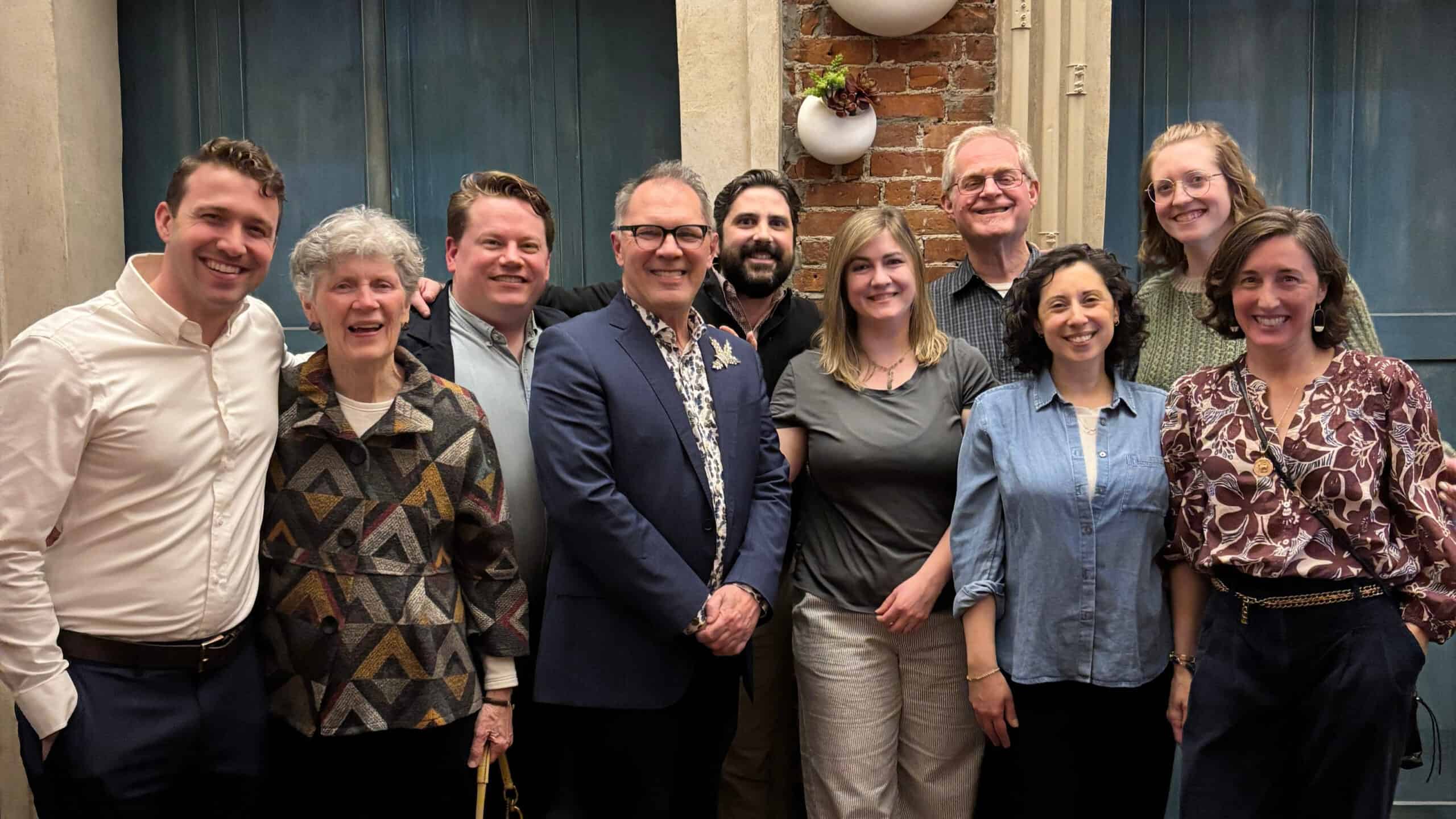
As we’ve evolved with our mission-driven clients, we’ve met new people, connected with new ideas, and found meaningful connections between what we do and who we are both as a company and as individuals. In celebration of our 30-year anniversary, each Librettist sat down to reflect on something that’s impacted us—professionally and personally—over the years. This is more than just a job, and we’re excited for the connections and the work ahead.
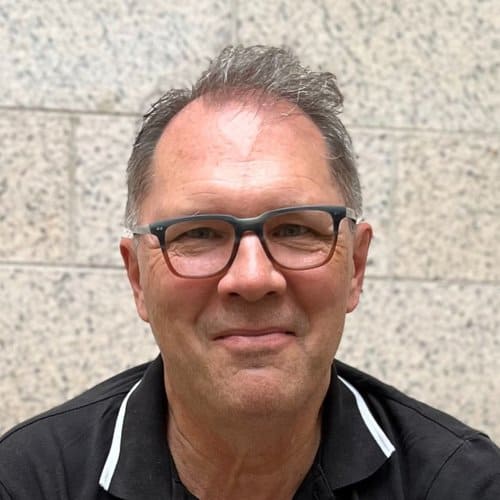
Neal Kane
Librettist since 1996
I’ve written before about the role of naming in my personal history and professional practice. Creating a name that needs to last for years, or even decades, is a particularly exciting (and daunting) proposition, when clients need to be convinced a name will work effectively for years (or even decades).
In 2018, Libretto began an engagement with the Lawyers Committee for Civil Rights and Economic Justice, which worked with people of color and immigrants to fight discrimination, foster equity, and pursue justice. While our engagement was focused exclusively on messaging, during our discovery interviews, the organization’s name was constantly cited as a liability. (We found a post where a writer praised the group’s amazing work in one breath, then admitted they couldn’t remember its name in the next.)
As a result, our presentation of findings included the bold (and unsolicited) recommendation that the organization consider changing its name. We even proposed an alternative: Lawyers for Civil Rights. While the group’s leadership was highly skeptical of how its board of trustees would respond, we reminded them that said board was composed almost entirely of lawyers: all we wanted was the chance to plead our case. (I still remember one of the closing arguments I made to the board: “Your existing name is an anvil you drag behind you.”)
After multiple presentations and discussions, the name change was adopted, to the surprise and delight of virtually everyone involved. In the ensuing years, LCR has greatly expanded its profile, programs, and impact—thanks in part to its vastly more manageable (and memorable) name. (You can learn more about our collaboration through our recent podcast interview with LCR’s Executive Director.) Every time I see a mention of the organization in the news, I’m reminded of the transformative power of our work. Those efforts weren’t motivated by a fee: they were driven by a sense of what needed to happen in order for the group to better fulfill its mission. And isn’t that what it’s all about?
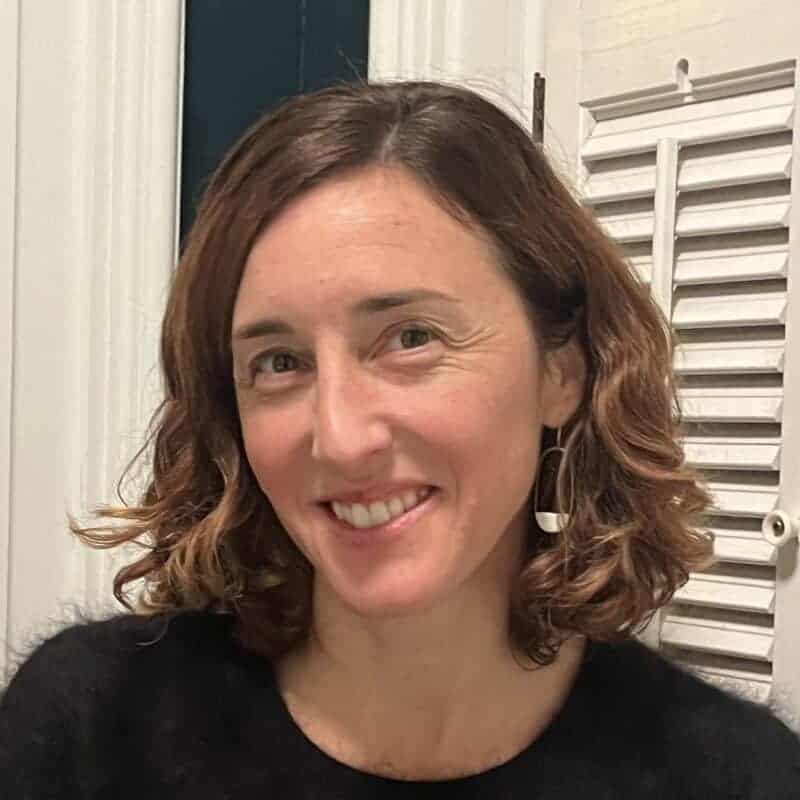
Nancy Boissonnet
Librettist since 2007
I’d been at Libretto for a few years when we added training workshops to our projects. Our goal was to help people get comfortable using the messaging toolkit they’d been provided by tapping into what’s personal for participants, then asking them to be brave enough to stand up and tell their stories. As a former academic, workshops provided me with a great opportunity to get back into the classroom and remember why I loved teaching.
A few years ago, I took an extended sabbatical in France with my family, where I taught in the International Program at Toulouse’s Political Science Institute, Science Po Toulouse. The class that I designed and taught to 65 college students from 40 different countries focused on the role of rhetoric and narrative in politics, journalism, and law. At its core, it was a class about the stories that we hear and tell, and how they shape our beliefs, values, and identities. It was a full-circle moment, and back in the classroom I combined my experience as a teacher and everything I’d learned leading workshops at Libretto. I asked my students to work in groups, give presentations, and generally get out of their comfort zones, all things I had learned to do in my professional life. And like so many of the workshop participants, they responded by consistently amazing me with their energy and passion.
Back at Libretto, I poured all of the inspiration from class into the training workshops. The workshop remains my favorite part of any project. It’s the moment the platform is brought to life, and the chance to see how diverse backgrounds and experiences shape the stories that people tell. It turns out that a training workshop and a class require the same things to be successful: engaged participants with a personal investment in the subject matter and a willingness to go out on a limb—and learning that goes in both directions.
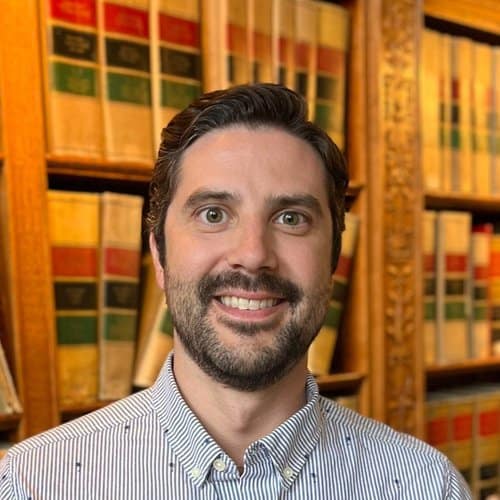
Adrian Pio
Librettist since 2013
Sometime around 2016, we at Libretto made a conscious effort to focus on working with nonprofits and mission-driven organizations that share our values. Audubon arrived on our doorstep soon afterward, and it quickly became one of my most personally instructive and inspirational client relationships.
Over the near decade we’ve worked with Audubon, I’ve had the chance to see how a nonprofit operates from the inside out, and to help drive their strategy toward greater impact. I played a key role in developing the communications for a campaign that raised more than $800 million, and had a seat at the table as their chief development officer described how we could—and must—transform the culture of giving at this international conservation powerhouse.
As an act of reflection, however, I don’t go to the project details as much as I would have anticipated. My story of Audubon isn’t wrestling with how to fit twenty campaign priorities into three neat little boxes. Instead, I think about the sunrise over the Plovers in Pelican Bay, or the Roseate Spoonbill that brought our entire tour group to silence in Corkscrew Swamp. I think about the anticipation of presenting our messaging to dozens of lifelong conservationists, and seeing our words light up their faces and come to life in their stories. The great joy of working with an organization like Audubon is the chance to take pride in their successes. The outdoors mean a great deal to me. I love that I could play a small part in helping to protect them.
I also recall showing my dad the Midflight brochure—perhaps because the day I’m writing this would have been the eve of his 76th birthday. Like so many others I’ve shared the piece with over the years, he was delighted by the illustrations and the concept of birds on a passenger plane. He also offered this suggestion: “They should call the next one ‘Flight Plan.’” So we did.
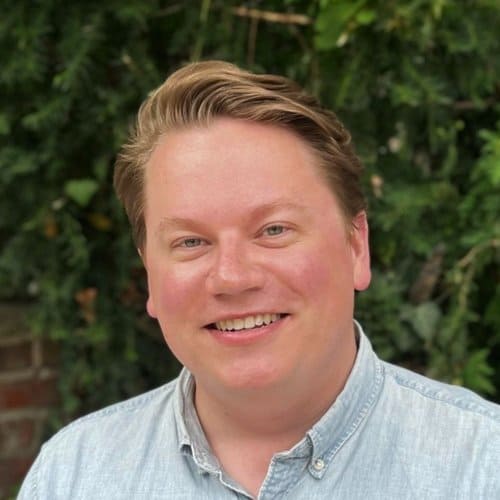
Connor Ferguson
Librettist since 2014
When our project with Alabama School of Fine Arts kicked off, it had a familiar goal: create a messaging platform that expressed their mission and vision and would help them tell the most compelling version of their story. But we were starting the project in late February 2020, so nothing was familiar anymore. A trip to Birmingham to get to know the places and people that make ASFA special was out of the question. We needed a new approach. I remember some discussion about whether it was even possible to glean what we’d need to create an effective messaging platform over Zoom: not so much the factual information, but the ethos of the place. But with no alternative, we barreled ahead with an entirely virtual approach, determined to adapt.
At that time, so many people were forced to learn a new way of connecting meaningfully with one another, and we were no different. We had to go deeper than straightforward answers to tactical questions about the school’s offering and philosophy. The discovery process was a crash course in how to build authentic, meaningful connections absent a physical interaction, and the same techniques I developed in that unprecedented crucible have made our ongoing work with clients across the country all the richer and more rewarding: genuine empathetic curiosity, a willingness to go beyond the obvious questions, and a healthy amount of humility when it comes to my own preconceptions.
The project went very well, as president Tim Mitchell told us on our podcast. But the real proof came more than a year later when, thanks to the joys of well-funded science, we were finally able to travel to Birmingham to meet some of the folks we’d already spent hours talking to over Zoom. Walking through the halls, seeing dancers and musicians and actors in rehearsal, I was struck by how familiar it all felt. Those thoughtful conversations had given us an understanding of the place that was without question true to life. As we continue to work with clients from Pebble Beach to Vero Beach, I try to maintain as much of that magic as possible, even through a webcam.
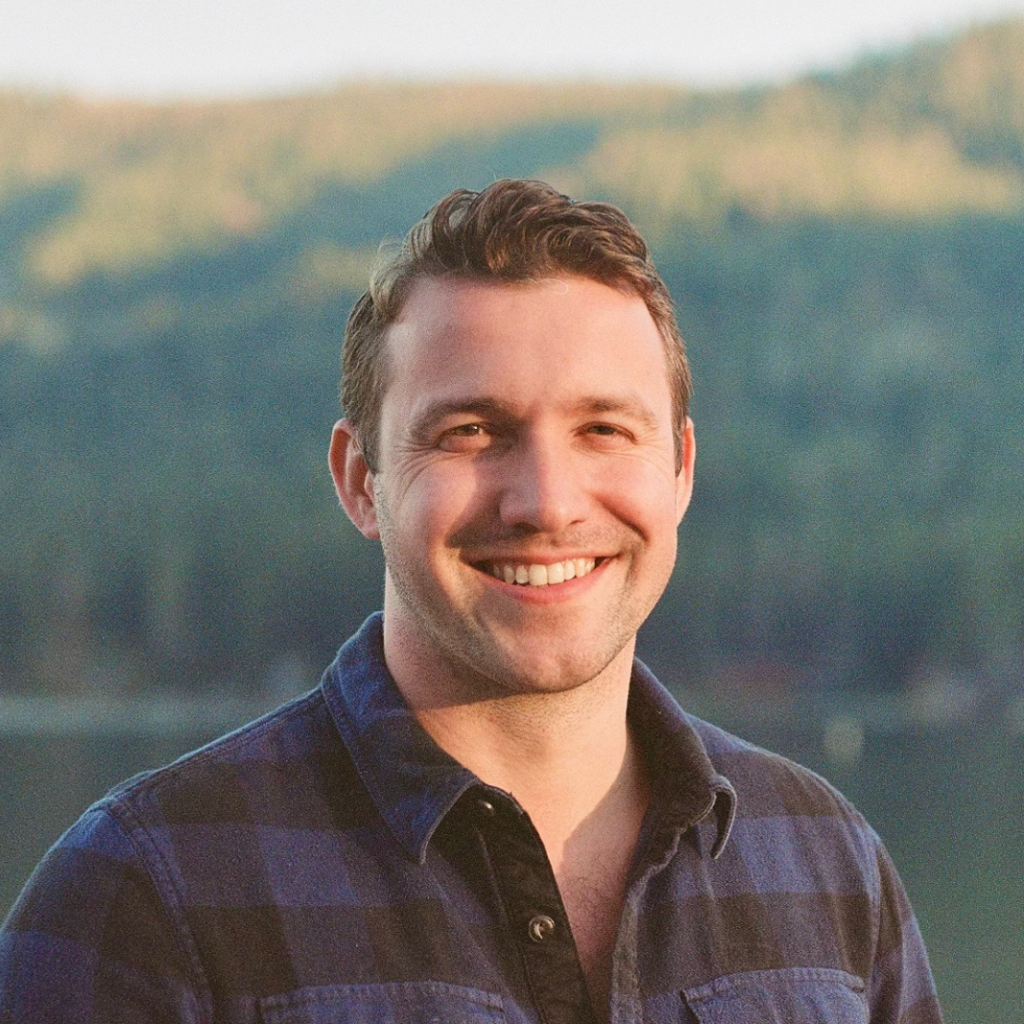
Ian Sutherland
Librettist since 2017
In the first few minutes of our discovery meeting at a Dartmouth Health member hospital, a facilities employee summed up his daily mission in six words: “To help the hands that heal.” The phrase stuck with me, and became the raison d’etre of our work.
As the most rural academic health system in the United States, Dartmouth Health serves a region spread out over a large geographic area in northern New England, with a population that faces higher health risks than more urban residents. The system began consolidating community hospitals and clinics to deliver a more integrated care model, and launched a brand activation in 2022 to share their new collective identity both internally and with the public. That’s where Libretto came in; our task was to craft messaging toolkits that preserved the local identities of these rural community hospitals while helping to shape the bigger narrative behind the system’s shared mission.
We spoke with hundreds of employees across the system, and every story we heard reflected the unique, hardworking, and personalized approach behind each of the members. Whether it was nurses from a community hospital sending a handwritten note to a patient after a surgery, or the Cancer Center’s ring of inspirational sticky notes that families hung on the window of the ICN, I’ll never forget the conversations I had as part of this project.
I was born in a small, rural community hospital, and many of my older family members received care there at the end of their lives. It’s extremely meaningful to work for an organization like Dartmouth Health, a place that’s tackling new innovations and searching for solutions as the nation grapples with a health care crisis.
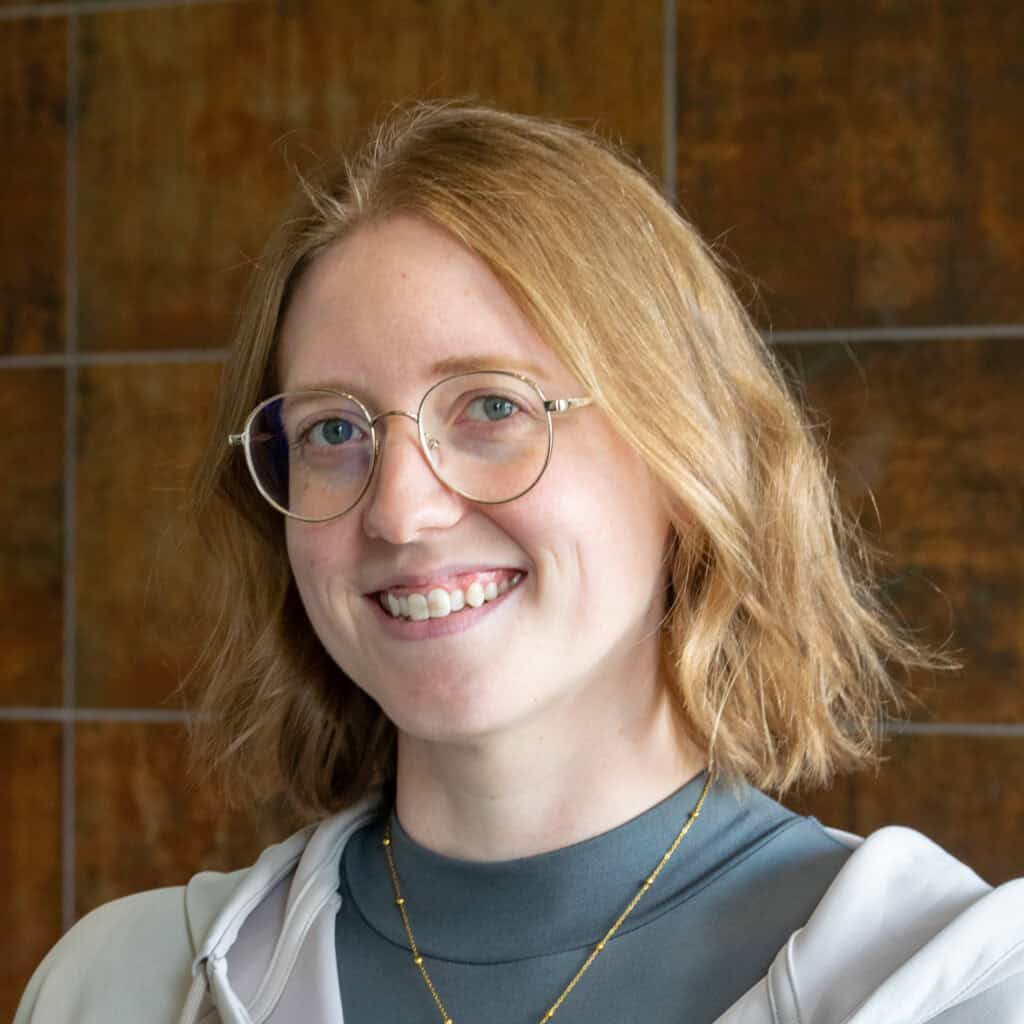
Tiffany Carlson
Librettist since 2022
As Producer at Libretto, I very rarely have a hand in the actual content development or execution of deliverables on projects. My role is typically very behind the scenes: handle project kickoff logistics, keep track of deadlines, schedule meetings (to name a few). Several years ago, I had the unique opportunity to branch out and provide project support while we worked with the Boston Public Library, and it was a really wonderful, enlightening experience.
For those who may not know, I worked in a library system before transitioning to my job at Libretto, and working with the BPL allowed me to bridge my former role and my professional training in Library Science with the work Libretto does daily. I had the opportunity to meet with key stakeholders at the BPL, hear from voices across the system, and facilitate a workshop with folks with similar values, passions, and training to mine–and then help translate that into meaningful data points from which Libretto could develop messaging. I felt as though my training and former career helped me really understand from an early point in the project what the thoughts and feelings around the McKim Building Initiative were, and how the funding could support both the building and what happens inside of it.
Our engagement with the BPL was truly one-of-a-kind for me, and it gave me valuable insights into the work my colleagues do day in and day out. Not only was I able to meet some incredible librarians and learn about the exciting work to come at the BPL, but I was able to use the knowledge from my graduate degree and first career to gain a greater understanding of Libretto’s work and process from a creative’s point of view.